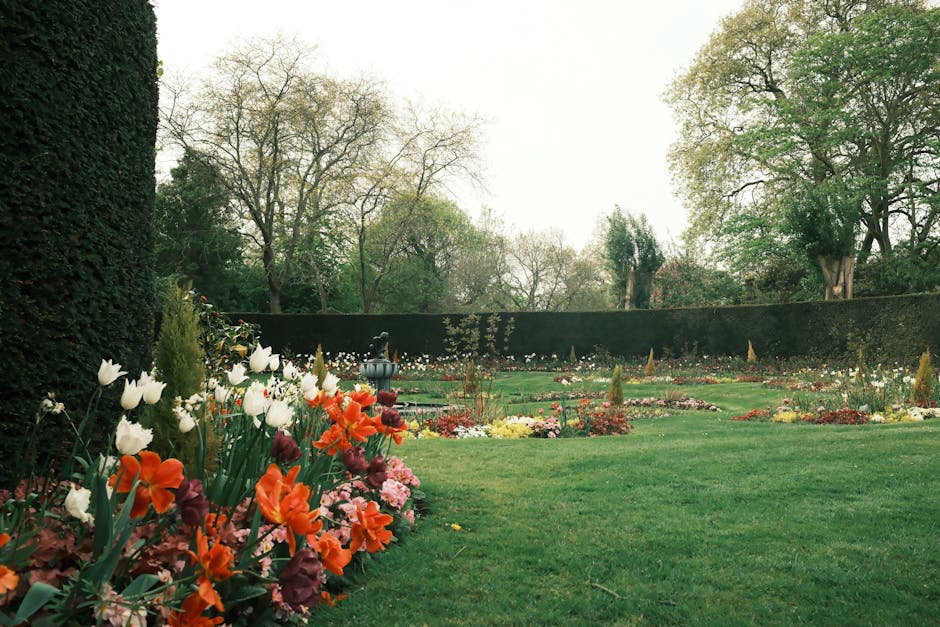
Garden maintenance guide for West Barnes estate Raynes Park
If you live on or manage a property in West Barnes estate, you already know the garden can turn from neat to neglected faster than you'd like. One wet week, a burst of spring growth, a few leaves in the wrong places, and suddenly the whole space feels harder to use. This Garden maintenance guide for West Barnes estate Raynes Park is designed to help you stay ahead of that cycle with practical, local, and realistic advice.
Whether you're looking after a small front garden, shared communal areas, or a larger private plot, the basics are the same: steady care, seasonal attention, and a plan that matches the way gardens actually grow in South West London. You don't need to do everything at once. In fact, trying to do it all in one go is usually where people get fed up.
This guide explains what good garden maintenance looks like, how to organise it, what to prioritise through the year, and when it makes sense to bring in professional help. It also covers common mistakes, useful tools, and the sort of standards that matter if you want a garden to look tidy without becoming a full-time job.
Table of Contents
- Why it matters
- How the process works
- Key benefits and practical advantages
- Who this is for and when it makes sense
- Step-by-step guidance
- Expert tips for better results
- Common mistakes to avoid
- Tools, resources and recommendations
- Law, compliance, standards and best practice
- Options, methods and comparison
- Case study or real-world example
- Practical checklist
- Conclusion
- Frequently asked questions
Why Garden maintenance guide for West Barnes estate Raynes Park Matters
Garden maintenance is not just about making a space look pleasant. On an estate like West Barnes, it affects daily use, safety, property presentation, and how manageable the outdoor space feels from week to week. A garden that is left alone for too long tends to create small problems that multiply: lawn damage, overgrown hedges, blocked paths, weed build-up, and drainage issues after rain.
In Raynes Park, the weather pattern matters more than people sometimes expect. Mild, damp spells can push growth along quickly, then a sudden dry stretch leaves lawns patchy and stressed. That means maintenance works best when it is steady rather than dramatic. A quick tidy every so often is not the same as a proper upkeep routine. Truth be told, gardens reward consistency more than grand gestures.
For homeowners, landlords, property managers, and residents' groups, a well-kept garden can also make outdoor areas more usable. A trimmed hedge opens light. A regular mow makes a lawn feel bigger. Cleared borders reduce that cluttered, slightly forgotten look that can creep in. And if you use the garden for relaxing, entertaining, or just getting a bit of fresh air, that matters a lot.
There's also a practical side. Less overgrowth means fewer hiding places for pests, less risk of trip hazards, and fewer jobs becoming "big jobs" later. A little work now can save a lot of effort later. Everyone knows that, but it's still easy to delay. We all do it, let's face it.
How Garden maintenance guide for West Barnes estate Raynes Park Works
Good garden maintenance usually follows a repeatable rhythm. The idea is to move through the same core tasks regularly, then adjust the intensity depending on the season. The garden tells you what it needs if you know what to look for.
Most maintenance plans for estate gardens include mowing, edging, hedge trimming, weeding, pruning, leaf clearance, waste removal, and occasional checks on planting areas, paths, and hard landscaping. If a property has features like decking or a paved seating area, those parts should be included too, because algae, leaf litter, and moss can make them slippery and scruffy very quickly. For that kind of wider upkeep, it can help to look at the full services overview and decide what needs routine attention versus one-off work.
In practical terms, the process usually looks like this:
- Walk the garden and note what has changed since the last visit.
- Deal with obvious safety issues first, such as debris, broken branches, or blocked paths.
- Carry out the core tidy work: mow, trim, edge, weed, and collect waste.
- Check the condition of plants, soil, lawn edges, and surfaces.
- Remove cuttings and green waste responsibly.
- Plan the next visit based on growth rate and weather.
The best routine is the one that fits the space. A compact front garden near the house might need less time than a larger communal area. A mature garden with hedging and established planting often needs more pruning and boundary care. There isn't one perfect schedule for every property, which is why a tailored approach works better than copying a generic checklist from somewhere else.
Professional garden maintenance often helps where time, equipment, or consistency are the main challenge. It can also be useful if the garden includes dense hedges, awkward access, or areas that need proper safety handling. If you're comparing options, it's worth looking at garden maintenance support and deciding whether you need weekly, fortnightly, monthly, or seasonal help.
Key Benefits and Practical Advantages
A well-maintained garden gives you more than a neat appearance. It changes how the whole property feels and functions.
First, it keeps the space usable. If paths are clear, lawns are even, and borders aren't swallowing everything, you can actually enjoy the garden rather than avoiding it. That sounds obvious, but a lot of gardens stop being used because they become awkward, not because they're ugly.
Second, it supports healthier growth. Regular cutting, pruning, and weeding helps plants focus energy in the right places. Lawns stay denser when cut correctly. Shrubs keep a better shape when pruned at the right time. And dead material gets out of the way before disease or rot can spread.
Third, it helps protect kerb appeal and property presentation. For estate homes, rental homes, or shared gardens, that can be a real consideration. People notice the garden before they notice the details inside. A tidy exterior sends a quiet message that the place is looked after.
Fourth, it can reduce hassle later. Regular maintenance is usually easier and cheaper than a major seasonal rescue. A lawn that's cut often is easier to keep under control than one left until it becomes a rough field. Same with hedges. Same with weeds. Same with almost everything in a garden, to be fair.
Fifth, it can improve safety. Brambles, loose branches, slippery paths, and clutter around steps are all more manageable when maintenance is handled properly. If the garden includes trees that are becoming heavy or awkward, specialist help may be needed. In those cases, tree lopping and removal can be relevant, especially where limbs affect light, access, or nearby structures.
Who This Is For and When It Makes Sense
This guide is useful for a few different people, and the maintenance priorities are not exactly the same for each one.
- Homeowners who want a manageable garden that looks good without taking over weekends.
- Landlords who need outdoor areas to stay presentable between tenancies.
- Property managers dealing with shared or communal outdoor spaces.
- Older residents who want the garden kept tidy but may not want heavy physical work.
- Busy households where the garden keeps slipping down the list.
It also makes sense if your garden has started to move beyond basic upkeep and is drifting into a more substantial tidy-up. That might mean one part needs clearance, another needs reshaping, and the lawn has been left a bit too long. In that situation, a one-off reset can be paired with regular maintenance afterwards. If the space is very overgrown, garden clearance may be the sensible first step before routine care begins again.
Some people only need a seasonal tidy, especially if the garden is low use. Others need a consistent plan because the space grows fast or the whole estate benefits from a joined-up look. If you're unsure, ask yourself one simple question: do you want to maintain the garden, or do you want to rescue it every few months? The answer usually tells you what kind of help you need.
Step-by-Step Guidance
If you want to keep a garden in good shape without overcomplicating it, follow a simple sequence. This is the practical version, not the fantasy version where everything somehow stays tidy on its own.
1. Start with a slow walk-through
Look at the garden before you touch anything. Check the lawn, hedges, borders, fences, paths, and any feature areas. Notice where the growth is strongest, where leaves collect, and where access feels awkward. A five-minute walk-through often saves twenty minutes of pointless effort.
2. Remove loose debris first
Pick up fallen branches, litter, broken pots, and anything else sitting on the surface. This makes the rest of the work easier and safer. It also gives you a better sense of what actually needs attention.
3. Tackle the lawn
If there is grass, mow it at a sensible height for the season. Don't scalp it just to make it look "done". That usually causes stress and weak growth. If the grass has gone long, cut it in stages rather than all in one heavy pass. A neat lawn anchors the whole garden. If you need regular grass care, lawn mowing support is often the easiest way to keep the space under control.
4. Trim hedges and outline the shape
Hedges get shaggy quicker than people expect. Light, regular trimming usually gives a better result than infrequent hard cutting. It keeps the hedge dense, improves the shape, and reduces the chance of one side growing away from the other. If your hedges are starting to blur boundaries or block light, hedge trimming is worth prioritising.
5. Weed borders and edges
Weeds love quiet corners. Pull them before they seed if you can. Use mulch or bark in planting beds if appropriate, because it helps suppress fresh weeds and makes the garden look finished. Around paving or gravel, keep an eye on moss and seedlings. They can make areas feel untidy very quickly.
6. Prune with a purpose
Pruning should improve the plant, not just reduce its size. Cut out dead or crossing growth, clear anything damaged, and keep the natural shape in mind. If you're unsure, do a little less rather than a little more. Over-pruning is one of those mistakes that looks minor at first and then bothers you for months.
7. Clear and dispose of waste
Bag up green waste and remove it properly. Leaving heaps of cuttings in a corner is a classic "I'll deal with that later" move. Later rarely feels better. Some professional services include disposal as part of the job, and if sustainability matters to you, it's sensible to ask how waste is handled. A good starting point is recycling and sustainability information.
8. Finish with a final check
Step back. Look at the garden from the doorway, the path, or wherever people usually see it from. Does anything still feel unbalanced? Is there a patch of grass missed? A hedge line that's pulling the eye? This last glance often catches the small things that make the difference between "tidied" and actually well kept.
Expert Tips for Better Results
The best maintenance results usually come from small habits, not heroic effort. That's the honest truth.
- Keep a regular rhythm. Grass, hedges, and weeds all respond better to consistency than emergency attention.
- Work with the season. Spring growth needs more frequent attention, while autumn usually means leaf clearance and boundary tidy-up.
- Use the right cut height. Cutting too low can weaken lawns and make them dry out faster.
- Don't ignore the hard surfaces. Paths, decking, and patios can undermine the whole look if they're slippery or covered in debris.
- Think in zones. Front of house, lawn, borders, and boundaries may each need a different type of attention.
- Keep an eye on access. Narrow side returns, shared entrances, and bins areas are often where a garden starts looking messy first.
A small, slightly overlooked tip: take photos after a good tidy. Not for social media, just for yourself. It gives you a reference point next time, especially if you're trying to spot what has changed over a few weeks.
Also, if you have decking or another feature area, keep it included in your routine rather than treating it as separate. Leaves, damp, and algae do not care about your maintenance plan. They just arrive. If your outdoor layout includes timber features, it may be useful to explore decking services as part of wider garden improvement or repair planning.
Common Mistakes to Avoid
Most garden problems are not caused by one big failure. They build slowly through a few ordinary mistakes that nobody thinks much about at the time.
- Leaving everything until it looks bad. By then, the job is larger, slower, and more annoying.
- Cutting too much at once. This is especially risky with lawns and hedges.
- Ignoring edging. A neat lawn with rough edges still looks unfinished.
- Forgetting waste removal. Piles of clippings and branches make even a tidy garden look half-done.
- Using the wrong tool. A blunt hedge trimmer or dull mower blade does poor work and can stress plants.
- Skipping seasonal changeovers. What worked in April may be wrong in August.
- Trying to do specialist work casually. Anything involving large trees, unstable branches, or awkward heights deserves proper care.
One thing people often underestimate is how quickly a "nearly tidy" garden becomes a neglected one again. A missed week here and there does not sound serious. Then you get a wet spell, a warm spell, and suddenly the borders are doing their own thing. A bit cheeky, really.
If you suspect the garden has drifted too far, don't treat that as a failure. It just means the maintenance plan needs resetting. That's all.
Tools, Resources and Recommendations
You do not need a shed full of expensive kit to maintain a decent garden, but the right basics make life much easier.
| Task | Useful tools | Why it helps |
|---|---|---|
| Lawn care | Mower, edging tool, rake | Keeps grass even and the finish crisp |
| Hedge trimming | Hedge trimmer, secateurs, gloves | Makes shaping quicker and more controlled |
| Weeding | Hand fork, trowel, kneeler | Helps remove roots rather than just the top growth |
| General tidy-up | Leaf rake, garden sacks, pruners | Useful for quick sweeps and waste collection |
| Hard surface care | Broom, scraper, suitable cleaner | Improves safety and the overall look of the space |
If you prefer professional help, look for clear communication, insured work practices, and sensible recommendations rather than promises that sound too perfect. A good provider will usually explain what needs doing now, what can wait, and what might become a problem if ignored.
It also helps to check practical business information before you book. Pages such as about the company, insurance and safety, health and safety policy, and payment and security can give you a better sense of how the service is run. That sort of due diligence is boring, yes, but useful.
Law, Compliance, Standards and Best Practice
For most domestic garden maintenance, the main concern is safe, responsible, and well-managed work rather than complicated regulation. Still, there are a few best-practice points worth keeping in mind.
If you are carrying out work yourself, use equipment properly, wear suitable gloves and footwear, and take extra care with ladders, sharp tools, and power equipment. For larger jobs, especially where trees, unstable branches, or awkward access are involved, it is wise to treat safety as the first job rather than the last. That is particularly true around shared areas, driveways, and paths where other people may be passing.
Waste handling matters too. Garden waste should be separated sensibly, and if green waste is removed off-site, it should be managed responsibly. A professional approach to recycling or reuse is usually a sign of a more careful operation. You can see how this is handled through recycling and sustainability.
If your property is part of a managed estate, there may also be internal rules about access, noise, timing, or shared areas. Even without formal legal complexity, best practice is to keep disruption low, communicate clearly, and leave the space clean and safe at the end of the visit. Sounds simple. It usually is, but only if someone actually does it.
And if you ever feel unsure about a specific issue involving trees, boundaries, or access to neighbouring property, it's better to pause and get the right advice than to rush in. A careful decision beats an awkward repair later.
Options, Methods and Comparison
There are usually three broad ways to handle garden maintenance on an estate property: do it yourself, share it informally, or bring in a professional service. Each has a place.
| Approach | Best for | Pros | Trade-offs |
|---|---|---|---|
| DIY maintenance | Smaller gardens, confident owners | Low direct cost, flexible timing | Needs time, equipment, and consistency |
| Shared / resident-managed upkeep | Communal or shared estate spaces | Can spread workload and costs | Depends on good coordination, which can wobble |
| Professional maintenance | Busy households, larger plots, regular standards | Reliable, efficient, usually neater finish | Ongoing cost, requires choosing the right provider |
For many West Barnes estate properties, the best option is a hybrid one: light personal upkeep between visits, with professional help for the tasks that are time-consuming or physically demanding. That way the garden stays presentable without becoming a burden. It's a practical middle ground, and usually the least stressful.
Case Study or Real-World Example
Here's a realistic example. Imagine a semi-private garden on an estate in West Barnes that has been left mostly alone for six weeks through spring. The lawn is long enough to look tired, the hedge on one side has started to flare out, and the border weeds are making the planting look smaller than it is. Nothing dramatic, just enough to make the whole space feel a bit neglected.
The first visit would usually focus on recovery: clear debris, mow in stages, shape the hedge lightly, weed the obvious patches, and remove clippings properly. If there is a paved corner or deck, that would be swept and checked for slippery build-up. The next visit would be sooner than normal, because the garden is in a growth period and needs to settle into a rhythm again.
After that, the difference is usually in the schedule rather than the effort. A fortnightly or monthly visit, depending on growth, keeps the work lighter. The lawn stays easier to cut. The hedge stays manageable. The garden feels looked after instead of constantly catching up. That is the real goal, not perfection.
In a situation like that, a full reset plus ongoing garden care is often far more effective than waiting until the space looks completely overrun. Once the pattern is back, the garden tends to behave itself. Mostly.
Practical Checklist
Use this checklist to keep the garden on track through the season. It is deliberately simple, because simple things actually get done.
- Walk the garden and note any safety issues.
- Clear fallen branches, litter, and loose debris.
- Mow the lawn at an appropriate height.
- Trim hedges before they become overgrown.
- Weed borders, paths, and other problem areas.
- Prune dead or damaged growth where needed.
- Check paths, steps, and decking for slippery build-up.
- Remove green waste and leave the area clean.
- Look at the garden from a distance and spot missed areas.
- Plan the next visit before growth gets away from you.
Expert summary: for West Barnes estate gardens, the winning formula is simple but disciplined: regular mowing, controlled hedge cutting, basic weed control, careful waste removal, and seasonal checks on boundaries and hard surfaces. Keep the work steady, and the garden stays manageable. Let it slide, and it becomes everyone's "next weekend" problem.
Get a free quote today and see how much you can save.
Conclusion
A good garden maintenance routine in West Barnes estate, Raynes Park is less about chasing perfection and more about staying ahead of growth. Small, regular jobs protect the garden's shape, keep it safer and more usable, and stop minor issues becoming stubborn ones. That is true whether you manage the garden yourself or bring in help.
If you use the right rhythm, the work becomes lighter over time. The garden looks more settled. The outdoor space feels welcoming again. And honestly, that's the point - not just a neat photo finish, but a place you're happy to step into on an ordinary Tuesday morning when the sky is grey and the kettle's just boiled.
Frequently Asked Questions
How often should a garden in West Barnes estate be maintained?
It depends on the size of the space and the season, but many gardens benefit from at least monthly maintenance, with more frequent visits during peak growth in spring and summer. Lawns and hedges usually need the most regular attention.
What is included in general garden maintenance?
Typical maintenance includes mowing, hedge trimming, weeding, pruning, clearing leaves and debris, and removing garden waste. Some plans also include light care for paths, borders, and decking areas.
What's the difference between garden maintenance and garden clearance?
Garden maintenance is ongoing upkeep to keep a space neat and healthy. Garden clearance is more of a one-off reset for areas that have become overgrown, cluttered, or heavily neglected.
Can I maintain the garden myself and still hire help occasionally?
Yes, and that's a very common setup. Many people handle light tasks themselves and bring in professional help for heavier jobs, seasonal cut-backs, or tidying after growth has run away a bit.
Is regular hedge trimming really necessary?
Usually, yes. Regular trimming helps hedges keep shape, stay dense, and avoid becoming too wide or top-heavy. It also makes the whole property look tidier and can improve light and access.
What should I do with green waste after maintenance?
Collect it properly and dispose of it through an appropriate route. Many professional services handle removal as part of the job. If sustainability matters to you, ask how waste is recycled or reused.
When is the best time of year for garden maintenance?
There is no single best time, because gardens need attention throughout the year. Spring is often about growth control, summer about keeping things tidy, autumn about leaves and clearance, and winter about structural checks and planning.
Do I need specialist help for trees on the property?
If the trees are small and manageable, basic pruning may be enough. For larger trees, unstable limbs, or anything affecting safety, it is better to get specialist support rather than taking risks.
How can I tell if my garden needs a full reset rather than routine upkeep?
If the lawn is severely overgrown, borders are hidden by weeds, hedges have lost their shape, or debris is building up in several places, a clearance or one-off restoration may be the better starting point.
Does garden maintenance improve property value or kerb appeal?
It can improve the way a property is presented and perceived. While results vary, a neat, well-kept garden usually makes a stronger first impression than one that looks tired or neglected.
What should I check before hiring a garden maintenance service?
Look for clear communication, suitable insurance, sensible safety practices, and a service that explains what is included. It also helps to review pricing and quote information so you know what to expect.
Can garden maintenance include hard landscaping areas too?
Yes, often to a degree. While routine maintenance focuses on plants, lawns, and waste, broader outdoor care can also cover decking, paths, and other landscaped features if needed.
If you're ready to get the garden back under control, start with the basics, keep the rhythm steady, and build from there. That usually works better than any grand plan. And it leaves you with a space that feels looked after, not just once, but properly.